
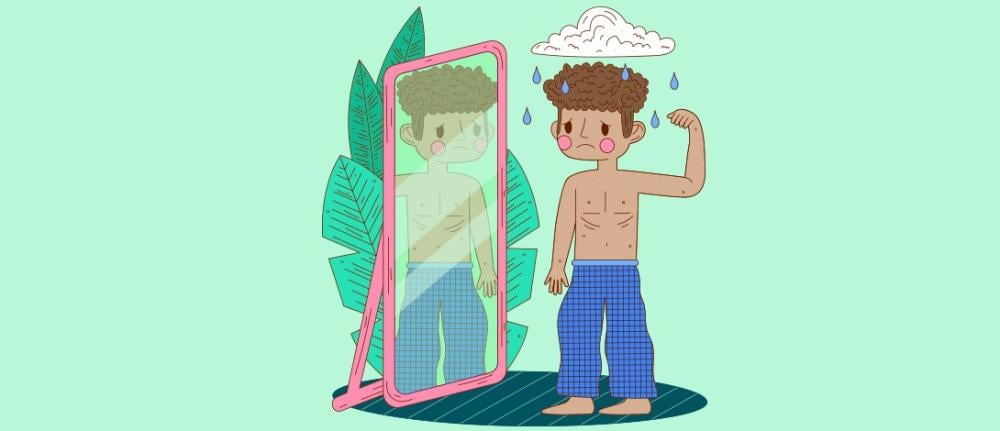
During the early childhood stages, we begin to teach our children hygiene. We teach them to wash their hands before and after eating, to organize themselves when playing in the garden and when exposed to dirt and dust, and we make sure to teach them hygiene and washing after using the toilet, and brushing their teeth at least twice a day. Thus, we instill in them the foundations of hygiene and make them accustomed to it permanently. However, we are surprised when the boys reach adolescence and are no longer under our supervision. They become less concerned about hygiene, and in many cases, they neglect hygiene. Therefore, in this article, we want to learn the habits and rules of personal hygiene for teenagers.
And how to talk to them and motivate them to be mindful of cleanliness, and make it an essential part of their daily routine.
The importance of maintaining personal hygiene during adolescence:
- Our bodies and health are a great blessing from God Almighty, and personal hygiene is a wonderful way to thank God for this blessing and to protect it from diseases.
- Maintaining cleanliness keeps our bodies free from harmful germs, which cause diseases such as tooth decay, skin inflammation, and many other illnesses that are easily avoided if we maintain cleanliness on a daily basis.
- Cleanliness helps us leave a good impression of ourselves on others, increases our self-confidence, and helps us to deal with others positively and comfortably. It is not good to deal with someone who has bad breath, for example!
- Hygiene is an important part of self-care. Hygiene means that you care for yourself, value yourself, take care of your body and health, and improve their care.
The role of parents in teaching teenagers hygiene
Children usually tend to imitate their parents from a young age until the end of adolescence. Therefore, the best way to teach your son/daughter anything is to be consistent with that thing yourself. For example, don't say, "My son, read books to become educated and gain information," but rather, you read, and this becomes your routine, and your child sees you constantly doing it. Then you will find him imitating you and reading like you. Even if he doesn't do that, it will be easy for you to convince and guide him because he already sees you doing it, and you are a role model for him.
This also applies to hygiene. The child should see the mother and father interested in the daily hygiene routine. When your child sees you interested in hygiene and doing it as a normal and constant thing, he will get used to it and it will be easy for him to adhere to the rules of hygiene.
You will often find that your child is lax and neglectful of hygiene. This is not the end of the world, but if the neglect continues for several days, you must strive to guide him in a good way, remind him of the importance of personal hygiene, and give a simple explanation of the rules of hygiene whenever he forgets or neglects them.
So what are the basic rules of personal hygiene for teenagers?
Hygiene routines vary from person to person due to the different environments each person comes from, but there are basic rules that should be included in the personal hygiene routine of all teenagers, such as:
1- Brush your teeth twice a day, and use dental floss once a day.
2- Shower daily, and shower when needed, such as after returning from exercise or playing.
3- Trim your nails when needed, and keep your nails clean at all times.
4- Use deodorant daily after showering.
5- Wash your hair regularly, two to three times a week.
6- Change your underwear and socks daily.
7- Change clothes as soon as they get dirty, and wear clean clothes every day.
Shower and deodorant
If your son/daughter has oily skin or hair, a daily bath is essential, especially if they play sports, run, or cycle, producing large amounts of sweat along with oily skin, because bathing prevents the accumulation of bacteria and oils and the blockage of pores. If they have dry skin, a bath once every two days can be acceptable.
Hair should be washed twice a week with shampoo if it is oily, and it is sufficient to wash it only once a week with shampoo if it is dry, and to use a hair conditioner every time shampoo is used.
Using deodorant is essential to keep you smelling good, especially if you suffer from severe body odor. You should shower daily and apply deodorant. Use a deodorant, which is a product that prevents the appearance of body odor. Do not use an antiperspirant, which prevents sweating in the first place, because antiperspirants can cause blockages in the glands and the appearance of painful lumps under the armpits.
dental hygiene
Dental hygiene is essential and important for your dental health. Using a toothbrush and toothpaste daily prevents the accumulation of bacteria in the mouth that cause tooth decay, gum inflammation, and bad breath.
Using dental floss is just as important as brushing and using toothpaste. Floss is used to remove food particles stuck between the teeth. These particles can reach the bloodstream and cause cardiovascular diseases. These particles are also a major cause of gum inflammation and tooth decay.
hair removal
It is preferable for young men to trim their hair periodically to maintain its health and appearance. Our noble Messenger said, “Whoever has hair should honor it” - may God’s prayers and peace be upon him.
Teenage boys should also be taught to shave their armpit and pubic hair and to take care of the cleanliness of these areas, to prevent the accumulation of bacteria and to prevent unpleasant odors.
As for teenage girls, they want to start shaving the underarms, pubic area, legs, arms, and face. Therefore, the mother should teach and guide her to do this correctly, teach her the appropriate techniques for using women's razors and choosing the right type for her, and make sure to use a clean razor and apply the appropriate cream or soap and water to reduce irritation and the appearance of pimples.
personal care
Every teenager needs to learn simple personal hygiene habits, such as styling their hair when going out, trimming their nails regularly, washing their face, treating acne, applying deodorant daily, changing their dirty clothes into clean ones regularly, and keeping their rooms tidy and their bed clean.
Teenage boys and girls need to understand the meaning of grooming and the basics of personal care and its impact on appearance and the formation of social relationships. Drawing the teenager's attention to these things is essential, and they need to practice them continuously to become basic habits in their lives. However, attention should be drawn in a gentle way, with simple explanations of the information, and the teenager should be given the space to carry this out calmly and at the right time without pressure.